Global Millets Conference
The Global Millets Conference is a high-impact international platform that brings together farmers, policymakers, researchers, nutritionists, entrepreneurs, and development organizations to discuss and promote the potential of millets in achieving global food and nutrition security. As part of the International Year of Millets (IYM) initiative, this conference highlights the critical role millets play in sustainable agriculture, climate resilience, and economic empowerment. Through engaging sessions, exhibitions, and collaborations, the conference fosters knowledge exchange, showcases millet-based innovations, and strengthens policy frameworks that support millet mainstreaming at national and global levels.
Days
Hours
Minutes
Seconds
The
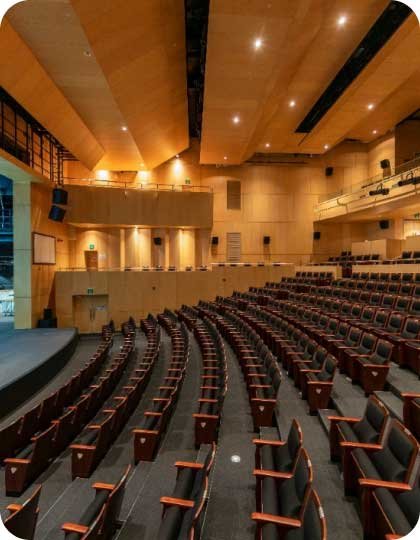
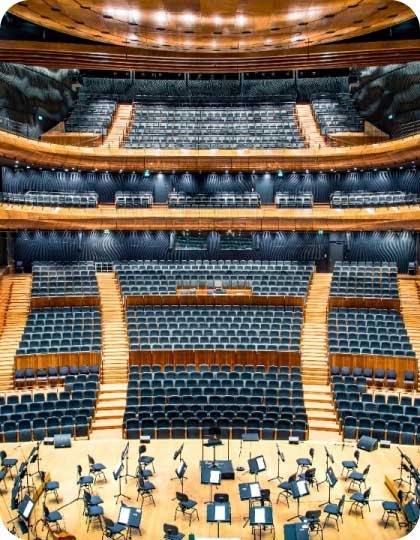
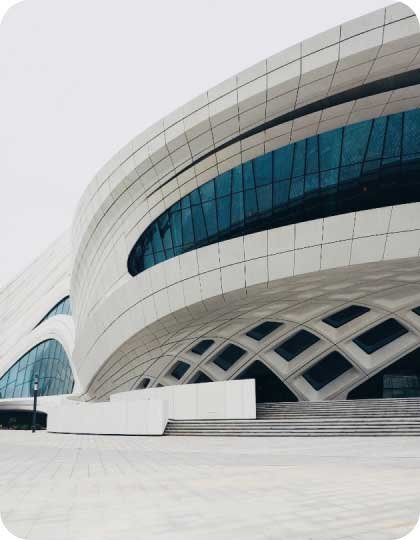
Conference Hall
Our Conference Hall is a vibrant space for millet-focused events and discussions. It’s ideal for showcasing innovations and promoting sustainable food systems.
Training and Awareness Programs
Creating Awareness for a Healthier Tomorrow
We are actively organizing awareness campaigns and sessions to educate communities about the nutritional benefits of millets and their role in promoting better health. These initiatives include:
-

Community-Level Events
Conducted in collaboration with youth leaders, CBOs, SHGs/FPOs across schools, colleges, and universities.
-

Outreach to Mothers
Special sessions with pregnant and lactating women at Anganwadi Centers.
-

Cooking Workshops
Teaching the preparation of millet-based dishes and documenting traditional tribal millet recipes.
-

Community Influence
Encouraging influencers to share personal stories and motivate others to eat millets once or twice a week.
-

Social Media Campaigns
Leveraging creative content and targeted messaging to raise mass awareness and integrate millets into daily diets.
POSHAN Abhiyan and National Food Security (Women and Child Development)
For Women: Empowering through Nutrition & Awareness Under the POSHAN Abhiyan and the National Food Security Act, our millet-based initiatives aim to support the nutritional needs of pregnant and lactating women:
- Millet Integration in Anganwadis: Promoting millet-based meals at Anganwadi Centers to enhance maternal health.
- Nutrition Awareness Sessions: Educating women on the importance of millets for preventing anemia and malnutrition.
- Capacity Building: Training women on preparing nutritious millet-based recipes for themselves and their families.
- Empowering Decision-Making: Encouraging women to make informed food choices through targeted campaigns and support groups.
For Children: Building Stronger Futures with Millets Focusing on early development, our programs aim to improve child nutrition through millet promotion under national food initiatives:
- Mid-Day Meal Enhancement: Incorporating millet-based dishes in school meals to boost energy and immunity.
- Healthy Eating Habits: Teaching children the value of traditional grains through interactive awareness sessions.
- School Campaigns: Engaging students with millet recipe contests, demonstrations, and tasting events.
- Nutritional Security: Supporting growth and cognitive development by ensuring access to diverse, nutritious food options.
Event Date
25th – 28th April, 2025
Event Location
Chennai
Email Address
action@gmail.com
Addressing Climate Change with Millets
Millets are nature’s answer to climate-smart agriculture. As the world battles unpredictable weather, droughts, and depleting natural resources, millets stand out for their ability to thrive in harsh conditions.

-
01
Low Water Requirement
Millets need 70–80% less water than rice
-
02
Drought Tolerance
Grow well in arid and semi-arid regions.
-
03
Short Growing Cycle
Ready for harvest in 60–90 days.
-
04
Heat Tolerance
Millets can withstand high temperatures, making them suitable for cultivation even in rising global heat conditions.
-
05
Low Energy Input
Require less energy for cultivation and post-harvest processing compared to major cereals.
-
06
Grows Without Irrigation
In many regions, millets are cultivated purely with rainwater, reducing strain on irrigation infrastructure.
-
07
Resilient to Crop Failures
Their hardiness makes them more reliable during erratic weather events like delayed rains or dry spells.
-
01
Minimal Soil Degradation
Millets do not exhaust the soil and are often used in crop rotation to maintain land fertility.
-
02
Carbon Sequestration
Millet roots help retain carbon in the soil, contributing to climate mitigation.
-
03
Pollinator Friendly
Millet cultivation supports bees and other pollinators by maintaining natural vegetation.
-
04
Reduces Agrochemical Dependency
Naturally pest-resistant, reducing the need for synthetic pesticides and fertilizers.
-
05
Preserves Native Agro-Ecology
Supports traditional and indigenous farming practices that align with local ecosystems.
-
06
Prevents Desertification:
Millet roots help bind soil and retain moisture, reducing the risk of land turning barren in arid regions.
-
07
Promotes Agro-Biodiversity
Cultivation of different millet varieties enhances genetic diversity and protects against crop diseases and pests.
-
11:00 AM
Registration for Event
-
12:30 PM
Interactive Music Workshops
-
02:00 PM
Food & Beverage Bazaar
Delight in a culinary journey with a diverse array of delectable treats from local vendors. Savor gourmet dishes and specialty drinks amidst a vibrant atmosphere.
-
04:00 PM
Artistic Installations Unveiled
Immerse yourself in an artistic wonderland as enchanting installations come to life. Engage with visual and interactive displays that celebrate the harmony between music and art.
-
06:30 PM
Opening Ceremony with Celestial Rhythms
-
08:00 PM
Astral Beats on the Main Stage
Get ready to dance as the electrifying duo Astral Beats takes the main stage, delivering an immersive blend of electronic and live instruments.
-
10:00 PM
Starlit Serenade Sessions
Extend your night under the stars with intimate acoustic sessions. Unwind with soul-stirring melodies and acoustic performances by guest artists.
National Food Security Mission (NFSM)
- As part of its ongoing commitment to enhancing food and nutritional security, the National Food Security Mission (NFSM) has taken significant steps to revive and promote the cultivation and consumption of millets—often referred to as “Shree Anna” or miracle grains.
- Millets are climate-resilient, highly nutritious, and sustainable crops that can play a vital role in addressing malnutrition and improving health outcomes, particularly in rural and tribal communities. Recognizing their importance, NFSM supports millet production, value addition, and awareness generation at the grassroots level
Community Awareness Campaigns :
Awareness sessions are conducted in schools, colleges, universities, and community spaces to educate people about the nutritional benefits of millets and how they can be integrated into daily diets.
Social Media Campaigns:
Leveraging creative content and strong messaging, digital platforms are being used to spread mass awareness about millets and their health benefits, especially among urban populations.
Use of Community Influencers:
Local influencers, SHGs, FPOs, and youth leaders are involved in sharing their personal stories and positive experiences with millets to inspire others.
📢 Raising Awareness and Consumption
- Community engagement through SHGs, FPOs, and youth leaders.
- Millet campaigns in schools and colleges with food fests and talks.
- Outreach at Anganwadi centers for mothers and children.
- Celebrating millet heritage through cultural events and recipe contests.
- Cooking demos to promote simple and tasty millet dishes.
- Social media campaigns using reels, influencers, and storytelling.
- Promoting millet meals 1–2 times per week in homes.
- Serving millet-based food in hostels, hospitals, and public kitchens.
- Branding and packaging support to make millet products market-ready.
One District One Product (ODOP)
Our millet promotion efforts align with the One District One Product (ODOP) initiative by the Government of India, which aims to boost local economies through the promotion of unique regional products.
Key initiatives under ODOP include:
- Millet Branding and Promotion: Supporting districts identified with millet production to showcase their unique varieties as a flagship product.
- Building for Farmers & FPOs : Providing training on millet cultivation, processing, packaging, and value addition to increase market competitiveness.
- Opportunities : Encouraging youth, women, and local entrepreneurs to create millet-based enterprises through incubation and financial support.
- Global SDGs Leadership Certification from the US based organisation
- Market Linkages: Facilitating access to e-commerce platforms, government e-marketplaces (GeM), and retail networks to boost millet sales.
- District Showcases: Participating in ODOP exhibitions to highlight millet success stories and connect producers with buyers and investors.
“Eatrite” Branding
The “Eatrite” initiative promotes healthy, sustainable, millet-based food choices, encouraging families to adopt nutritious, traditional grains. It highlights millets' health benefits—rich in fiber, protein, and minerals—and their role in climate-resilient agriculture. Eatrite aims to improve eating habits, reduce reliance on processed foods, and support local economies through community-based production. With values of nutrition, affordability, and local empowerment, Eatrite symbolizes trust, quality, and a movement toward conscious consumption, community wellbeing, and rural upliftment.
Key Highlights:
- Encourages millet-based lifestyles
- Unified packaging and product identity
- Empowers FPOs, SHGs, and small producers
- Focus on nutritious, ready-to-eat products
- Presence in local and online markets
Global Hub for Millets: India Leading the Millet Movement
India is proudly emerging as the Global Hub for Millets, spearheading efforts to bring these ancient grains back to the forefront of global nutrition and sustainable agriculture. With its rich biodiversity, traditional knowledge, and strong policy support, India is championing the cause of millets not just as a national priority but as a global mission.
Why Millets, Why Now?
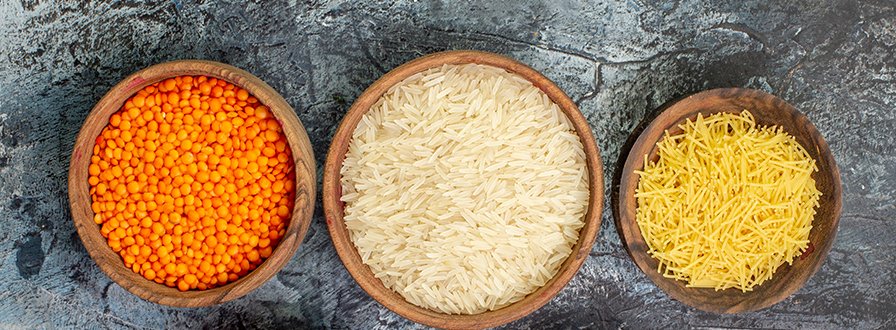
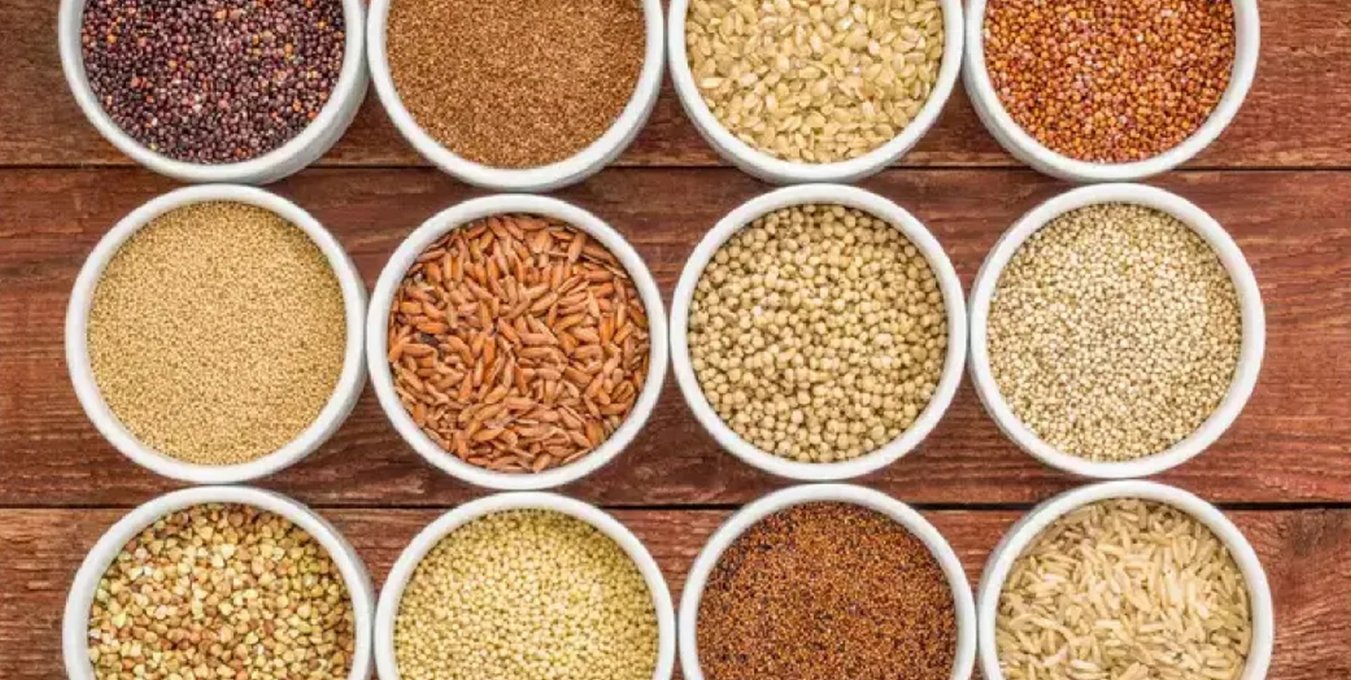
Millets, ancient grains cultivated for centuries, are gaining renewed global attention for their nutritional value, climate resilience, and sustainability. In a world facing health challenges, climate change, and unsustainable agriculture, millets offer a smart and timely solution. Millets are known as “Smart Food” because they are:
- Nutritious – rich in fiber, protein, vitamins, and minerals
- Climate-Resilient – grow well in arid regions with minimal water
- Eco-Friendly – require fewer inputs and have low carbon footprints
- Economically Viable – support livelihoods of small and marginal farmers
India's Role as a Global Leader
- Policy Support & Recognition : India successfully advocated for the United Nations to declare 2023 as the International Year of Millets (IYM 2023), bringing global attention to their value.
- Production Powerhouse India is the largest producer of millets in the world, contributing to nearly 20% of global production and 80% of Asia’s output.
- Research and Innovation Indian agricultural institutions are leading research in millet breeding, processing, and value addition to enhance global adoption.
- Knowledge Sharing Through summits, international collaborations, and millet expos, India is sharing its millet success stories and farming techniques with the world.
- Export Promotion India is actively promoting millet-based exports and encouraging entrepreneurs to explore international markets with value-added millet products.
FAS-2025
The summit welcomes participants aged 16 and above from all nationalities and backgrounds, including students, volunteers, recent graduates, and professionals, with no IELTS/TOEFL required, available from April 25th-28th April, 2025.
A total of 125 slots are available: 10 Fully Funded, 15 Partially Funded, and 100 Self-Funded.
Covers all expenses, including airfare, 3 days of accommodation, meals during the event, a Global SDGs Leadership Certification, an event toolkit, an invitation letter for visa assistance, chance to win the prestigious “Future SDGs Champion” award, a participation certificate, and full access to the forum.
We highly recommend that all participants have a valid passport at the time of the summit (April 25-28, 2025). Without a valid passport, you will not be able to get the visa for the event.
You can reach us via email at futureactionsummit@echochange.org or WhatsApp us at +61 431 008 519 for any inquiries or assistance.
You can securely pay the application fee using a debit or credit card through a trusted Stripe payment gateway.